Space-ground Facilities
OBJECTIVES: All courses and studios taught by Dr. Howe in regards to extreme architecture rigorously conform with National Architectural Accrediting Board (NAAB) Condition 13 Criterion 4 "Research Skills", Criterion 5 "Formal Ordering Systems", Criterion 17 "Site Conditions", Criterion 18 "Structural Systems", Criterion 19 "Environmental Systems", Criterion 21 "Building Envelope Systems", Criterion 22 "Building Service Systems", Criterion 23 "Building Systems Integration", and Criterion 24 "Building Materials and Assemblies". Dr. Howe also emphasizes a link with Criterion 3 "Graphic Skills", Criterion 6 "Fundamental Design Skills", Criterion 15 "Sustainable Design", and Criterion 16 "Program Preparation".
INPUT / CONSTRAINTS:
- Prove technical feasibility in the pertinent extreme environment.
- Cost considerations are optional, secondary to technical feasibility.
OUTPUT / DELIVERABLES:
- Viable engineered structures appropriate for exreme environment.
- Elegant architectural solutions integrated with engineered systems.
EXAMPLE STUDENT WORK:
Tonny Leung (HKU, MArch thesis, 2003-04, co-tutors Dr. Howe and Dr. Alex Amato) developed a training facility for astronauts, for the Chinese space program (figure 1). The facility includes neutral buoyancy tank, spacecraft mockup bay, planetary lander tower training facility, centrifuge, hangar for parabolic flights, administrative offices, and astronaut dormatories (figure 2). Also considered were personnel routes and separated tour routes for visitors. The grounds included simulated lunar surface yard for rover training.
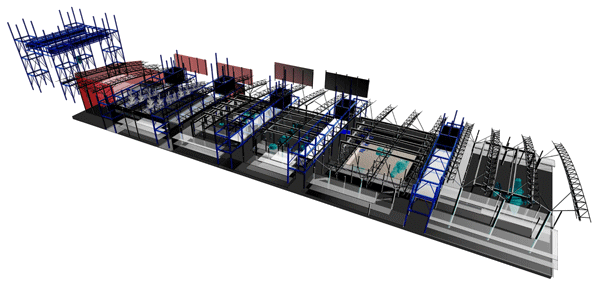
Figure 1: Human spaceflight training facility by Tonny Leung
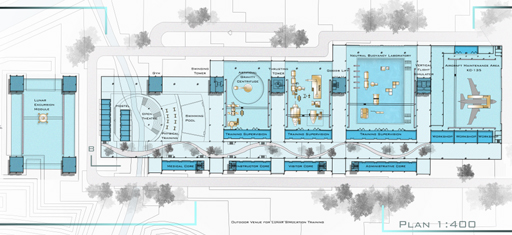
Figure 2: Spaceflight training center floor plan