Digital Infrastructure
OBJECTIVES: All studios and courses taught by Dr. Howe under the Construction / engineering theme rigorously conform with National Architectural Accrediting Board (NAAB) Condition 13 Criterion 7 "Collaborative Skills", Criterion 15 "Sustainable Design", Criterion 18 "Structural Systems", Criterion 19 "Environmental Systems", Criterion 21 "Building Envelope Systems", Criterion 22 "Building Service Systems", Criterion 23 "Building Systems Integration", and Criterion 24 "Building Materials and Assemblies". Dr. Howe also emphasizes a link with Criterion 3 "Graphic Skills", Criterion 4 "Research Skills", Criterion 5 "Formal Ordering Systems", and Criterion 6 "Fundamental Design Skills".
INPUT / CONSTRAINTS:
- Requirement to bring conveyance systems into the building language and design grammar.
- Design tighter co-function between building spaces and vehicle cabins.
- Explore physical architecture of logistics systems for shipping and delivery: terminal points and infrastructure.
OUTPUT / DELIVERABLES:
- Material handling systems for construction materials.
- Automated conveyance systems for humans, goods, and vehicles.
EXAMPLE STUDENT WORK:
Kevin Kin Man Sy (HKU, MArch thesis, 2002-03) explored several ideas more fully integrating buildings and vehicles, where street vehicles could be "docked" with the residential or office unit to 1) double as lifts to the unit, 2) extend the space of the unit, and 3) help power the unit through its motor, especially with improved power sources such as fuel cells. Kevin developed an automated warehouse-like system that can move anywhere on the inner facade of the atrium to insert vehicles in any slot (figure 1).
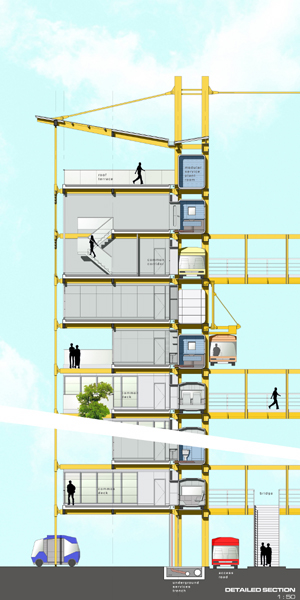
Figure 1: Integrating buildings and vehicles by Kevin Sy
For his MArch thesis, Marco Tsun Fai Chan (HKU, MArch thesis, 2005-06, co-tutors Howe, Chris Bene, and Carol Leung) developed an architecture for mixing logistics into buildings in order to bring delivery into an automated information age paradigm. Marco adapted three material handling modes for low (figure 2), medium, and high demand (figure 3) delivery systems, which are exposed and viewable by the public, running parallel with human conveyance systems (figure 4).
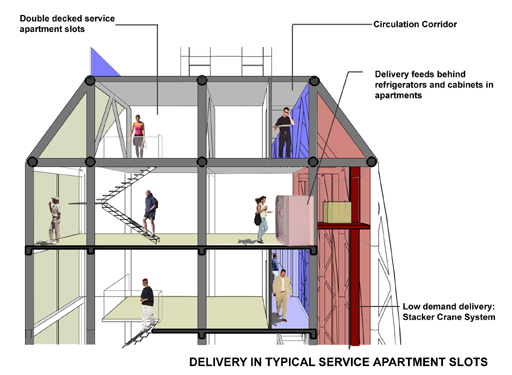
Figure 2: Low demand delivery system to back of cabinets by Marco Tsun Fai Chan
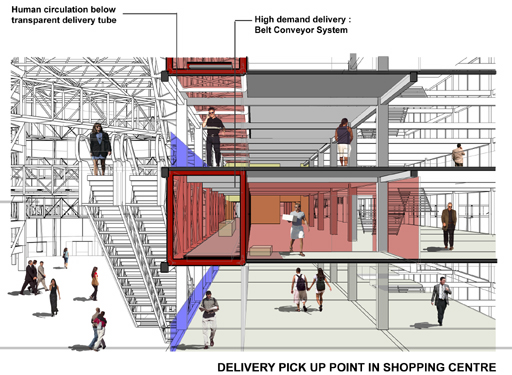
Figure 3: High demand delivery system
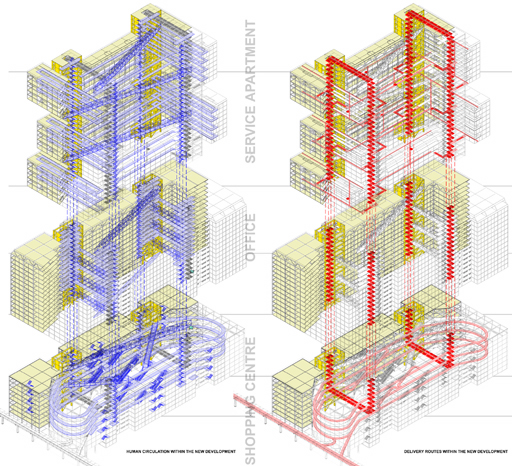
Figure 4: Human circulation (blue) integrated with logistics delivery (red)