Digital Manufacturing
OBJECTIVES: All studios and courses taught by Dr. Howe under the Construction / engineering theme rigorously conform with National Architectural Accrediting Board (NAAB) Condition 13 Criterion 7 "Collaborative Skills", Criterion 15 "Sustainable Design", Criterion 18 "Structural Systems", Criterion 19 "Environmental Systems", Criterion 21 "Building Envelope Systems", Criterion 22 "Building Service Systems", Criterion 23 "Building Systems Integration", and Criterion 24 "Building Materials and Assemblies". Dr. Howe also emphasizes a link with Criterion 3 "Graphic Skills", Criterion 4 "Research Skills", Criterion 5 "Formal Ordering Systems", and Criterion 6 "Fundamental Design Skills".
INPUT / CONSTRAINTS:
- Details and designs fully represented in digital formats.
- Analogue objects or drawings scanned digitized into digital formats.
OUTPUT / DELIVERABLES:
- Digitally produced analogues or actual materials through NC equipment.
EXAMPLE STUDENT WORK:
Dr. Howe, with grad students Padru Kang, Omid Nasari (UofO, arch584 graduate design studio, 2000-01) digitally manufactured the Digiosk robotic kiosk (figure 1 and figure 2).
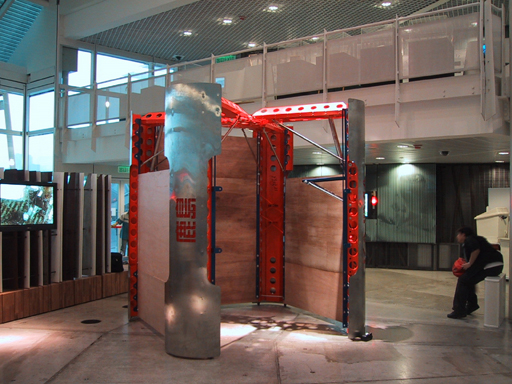
Figure 1: Digiosk, digitally manufactured kiosk
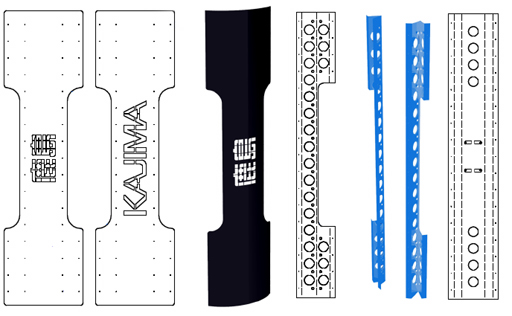
Figure 2: Digiosk fabrications
Dixon Chun Keung Yuen (HKU, arch4001/4002 graduate design studio, 2002-03) designed an interior partition / structure system for two story spaces (figure 3), using entirely sheet stock materials. Cardboard analogues, representing sheet metal, were manufactured for the project (Figure 4).
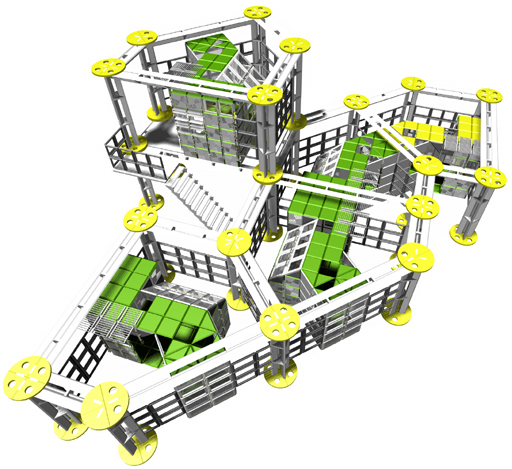
Figure 3: Partition system by Dixon Chun Keung Yuen can be manufactured digitally
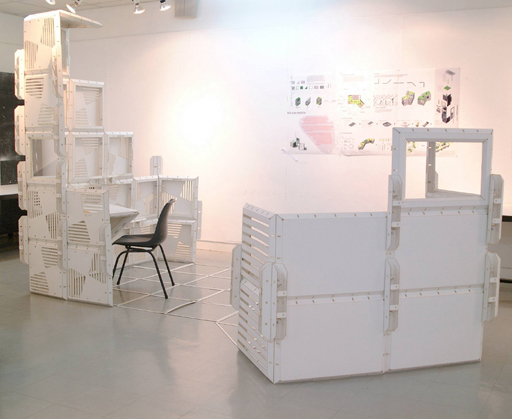
Figure 4: Cardboard analogues for Dixon's partition system
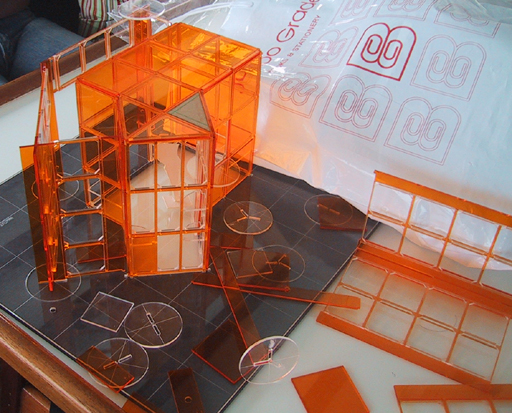
Figure 5: Digitally produced acrylic model of Dixon's system
Richard Seewhy Lee (HKU, arch4001/4002 graduate design studio, 2002-03) produced preliminary concepts for a workstation called Diginoid that was eventually manufactured digitally (figure 6).
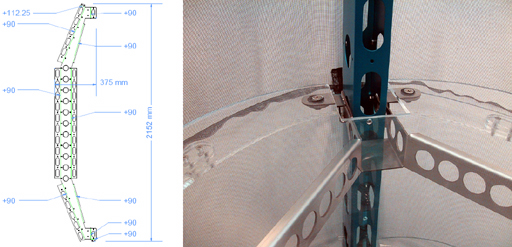
Figure 6: Digitally manufactured Diginoid workstation
Sean Changxiao Liu (HKU, arch4001/4002 graduate design studio, 2002-03) designed an office cubical system that can be digitally manufactured (figure 7).
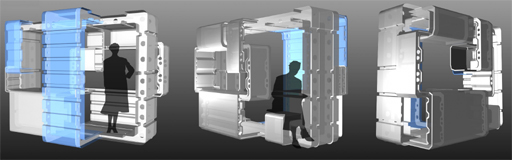
Figure 7: Office cubical system by Sean Changxiao Liu
Shen He (HKU, arch4001/4002 graduate design studio, 2002-03) designed a cabinet system that can be digitally manufactured out of entirely sheet stock (figure 8). 1:1 cardboard analogues were digitally manufactured for this design (figure 9).
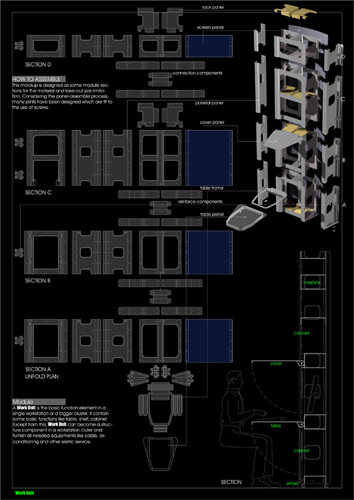
Figure 8: Cabinet system by Shen He
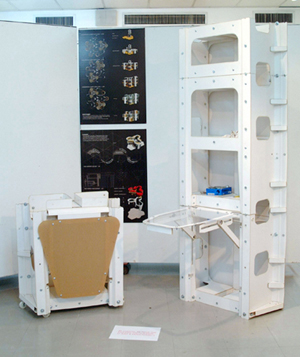
Figure 9: Digitally manufactured cardboard analogues of Shen He's cabinete system
Xie Tun Tsetun (HKU, arch4001/4002 graduate design studio, 2002-03) designed a modular structure system that can be digitally manfuactured out of sheet stock (figure 10). The design was tested through digital manufacture of cardboard analogues (figure 11).
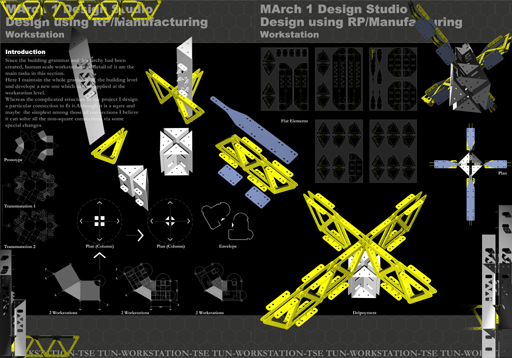
Figure 10: A modular structural system by Xie Tun Tsetun
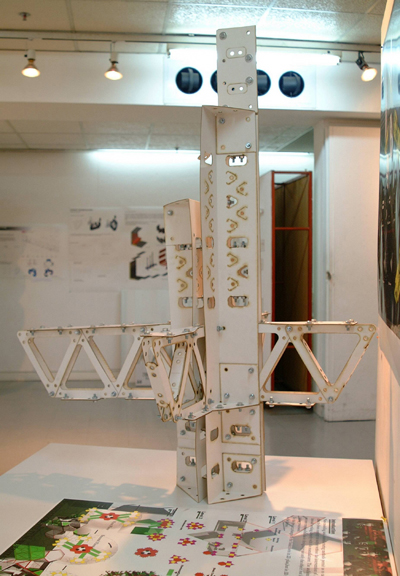
Figure 11: Digitally manufactured cardboard analogue of Tsetun's system