1:1 Construction
OBJECTIVES: All studios and courses taught by Dr. Howe under the Construction / engineering theme rigorously conform with National Architectural Accrediting Board (NAAB) Condition 13 Criterion 7 "Collaborative Skills", Criterion 15 "Sustainable Design", Criterion 18 "Structural Systems", Criterion 19 "Environmental Systems", Criterion 21 "Building Envelope Systems", Criterion 22 "Building Service Systems", Criterion 23 "Building Systems Integration", and Criterion 24 "Building Materials and Assemblies". Dr. Howe also emphasizes a link with Criterion 3 "Graphic Skills", Criterion 4 "Research Skills", Criterion 5 "Formal Ordering Systems", and Criterion 6 "Fundamental Design Skills".
INPUT / CONSTRAINTS:
- Design constraints (such as: use only digital design tools, etc).
- Material constraints (such as: membrane, wood, metal, etc).
- Production constraints (such as: only digital processes, etc).
- Client inputs, tutor inputs.
OUTPUT / DELIVERABLES:
- Full size 1:1 mockups using material analogues.
- Full size 1:1 construction using real target materials.
EXAMPLE STUDENT WORK:
Dr. Howe taught a 1:1 tensile structures studio (UofO, arch484/584 vertical studio, 2000-01) co-taught with Christine Theodoropoulos, the students were Dan Barker, Roger Binschus, Seth Ehlinger, Chris Harnish, Travis Jermain, Padru Kang, Andika Murandi, Omid Nasari, Adam Olsen, Glen Pak, Jessica Ruben, and David White, Kevin Banton, Andrew Curtis, Winston Ely, Kevin Gerlits, Cheryl Jacobs, Grace Leung, Timothy Moon, Ian O'Banion, Ian Roll, George Schweikart, Matthew Smith, John Stapleton, Chad Weltzin, Andrew Wenrick, and Philip Yuen. The students split up into groups and created several 1:1 tensile structures including a bicycle parking structure (figure 1 and figure 2), a small pavilion (figure 3), and a sculpture (figure 4).
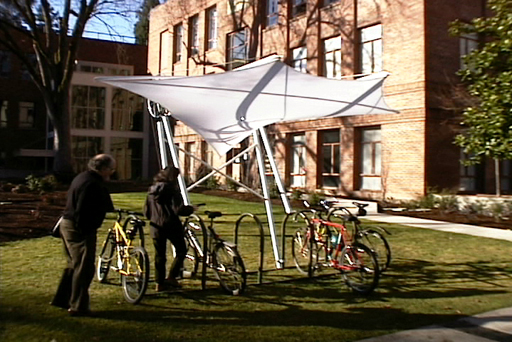
Figure 1: A 1:1 tensile bicycle parking structure
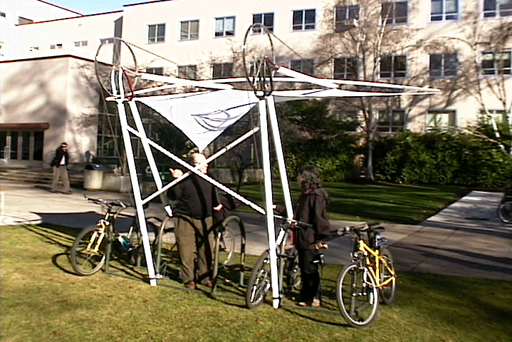
Figure 2: A 1:1 tensile bicycle parking structure
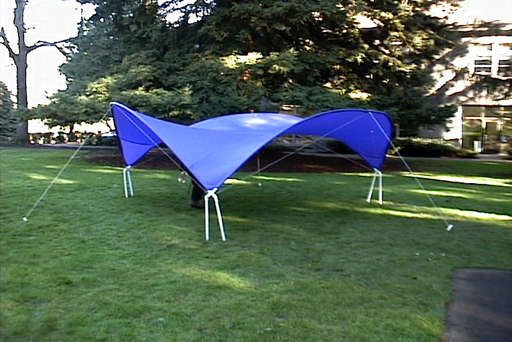
Figure 3: A tensile pavilion
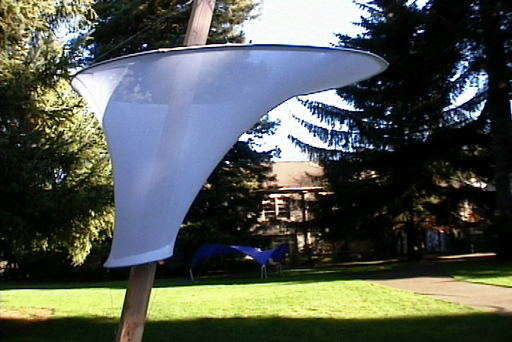
Figure 4: a tensile sculpture
Dr. Howe co-designed and constructed a working robotic kiosk with grad students Padru Kang and Omid Nasari (UofO, arch584 graduate design studio, 2000-01). The kiosk was modeled in a solid modeling program, outputted to laser-cutters, manufactured, assembled, and brought to working order in two months (Figure 5).

Figure 5: Digiosk robotic kiosk 1:1 construction
Richard Seewhy Lee (HKU, arch4001/4002 graduate design studio, 2002-03), as part of a digital manufacturing course, came up with some initial ideas for a small work station, later refined by Dr. Howe. The Diginoid workstation was completely manufactured using digital means, including the membrane which was produced by a digital sail cutter (figure 6 and figure 7).
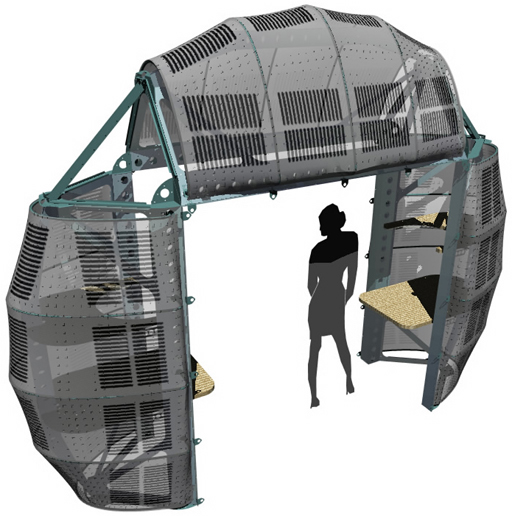
Figure 6: Diginoid workstation computer graphic of completed structure
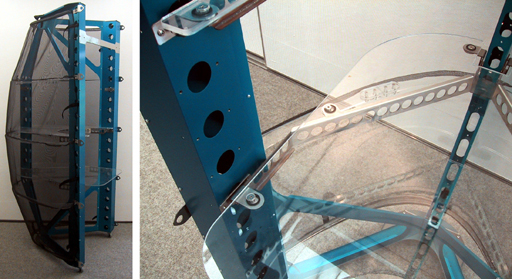
Figure 7: Diginoid workstation 1:1 construction
Dr. Howe assisted Eve Tracy and her design studio members (HKU, arch2013 2nd year design studio, 2004-05) in the design and construction of a drafting workstation (Figure 8).
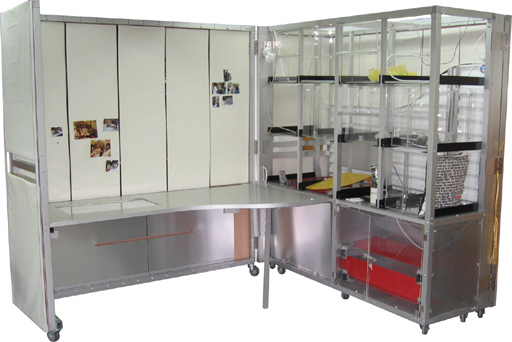
Figure 8: Drafting 1:1 workstation by Eve Tracy studio
Scott Howe design studio members (HKU, arch2013 2nd year design studio, 2005-06) digitally produced a display system consisting of cubes (figure 9 and figure 10).
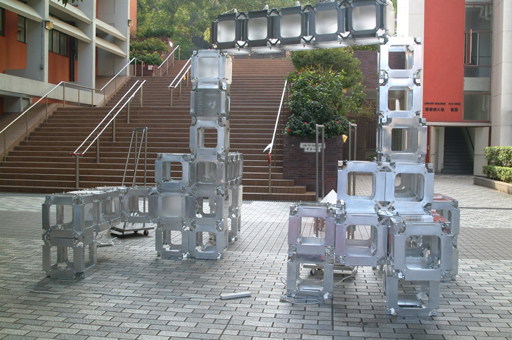
Figure 9: Display system 1:1 construction using aluminum panels
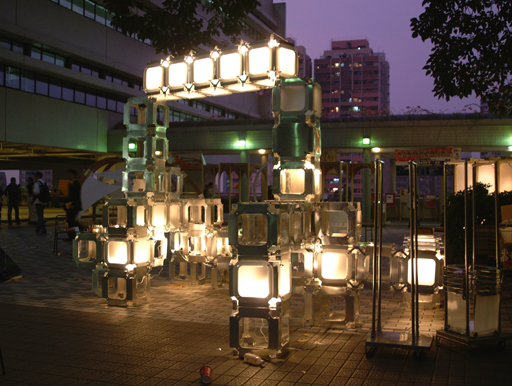
Figure 10: Display system at night