Competition Studio
Competitions, if executed well, encourage integrated solutions. Also, competition entries require the designer to be complete with their graphic and textual descriptions, using layers of information that can be discerned from various distances from the panels (ideally, each layer of information will be discerned at a different distance, in order to draw the judge's attention in to the project from far away, and keep them engaged all the way to the detail). Competition entries cannot be defended verbally, so clear graphic diagrams, hierarchical drawings, and minimal textual descriptions contained on the panel must do all the talking. Dr. Howe has conducted several competition studios, some of them co-taught with Christine Theodoropoulos.
OBJECTIVES: All architecture design studios taught by Dr. Howe rigorously conform with National Architectural Accrediting Board (NAAB) Condition 13 Criterion 3 "Graphic Skills", Criterion 5 "Formal Ordering Systems", Criterion 6 "Fundamental Design Skills", Criterion 14 "Accessibility", Criterion 15 "Sustainable Design", Criterion 16 "Program Preparation", Criterion 17 "Site Conditions", Criterion 18 "Structural Systems", Criterion 19 "Environmental Systems", Criterion 20 "Life Safety", Criterion 21 "Building Envelope Systems", Criterion 22 "Building Service Systems", Criterion 23 "Building Systems Integration", and Criterion 24 "Building Materials and Assemblies".
INPUT / CONSTRAINTS:
- Requirements about the building, structure, or program.
- Presentation panel number and sizes.
OUTPUT / DELIVERABLES:
- A set of two dimensional media (usually in the form of panels) that completely describe the concept.
- Models may be acceptable in some competitions, but usually only photos of the models are allowed as part of the panels.
EXAMPLE STUDENT WORK:
Daniel Barker (UofO, arch484/584 vertical studio, 2000-01) designs a "worm" stadium, with adjustable membrane-covered frames (figure 1).
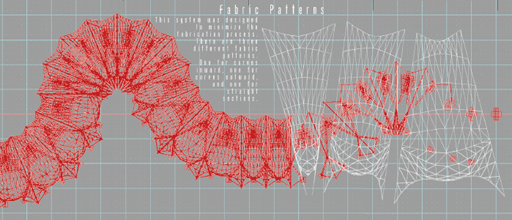
Figure 1: Modular "worm" stadium by Daniel Barker
An emergency portable shelter system was designed by Padru Kang (UofO, arch484/584 vertical studio, 2000-01), using shipping container constraints and fold-out membrane structures (figure 2). Kang's competition entry panels are shown in figure 3.
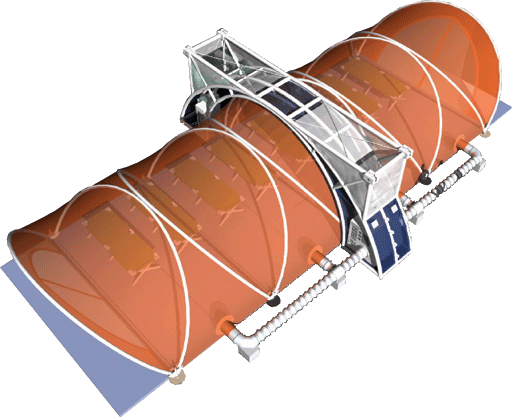
Figure 2: Emergency shelter by Padru Kang
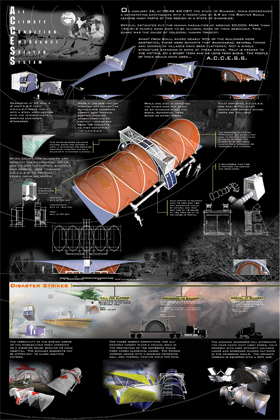
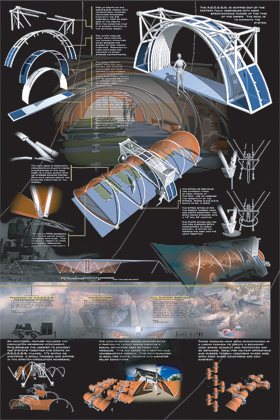
Figure 3: Competition panels for Kang's emergency shelter
Omid Nasari (UofO, arch484/584 vertical studio, 2000-01) designs an office buildings that uses tensegrity modules, that has no vertical columns (figure 4).
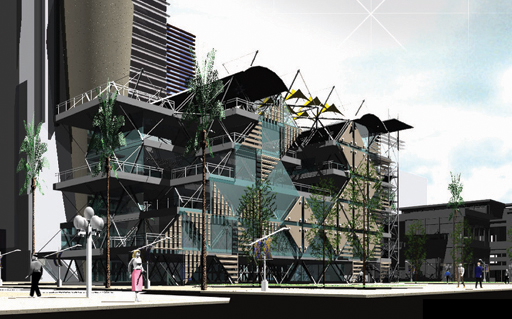
Figure 4: Tensigrity office building by Omid Nasari
Jessica Ruben (UofO, arch484/584 vertical studio, 2000-01) developed a self-contained tensegrity / membrane shade shelter for parks and street structures (figure 5).
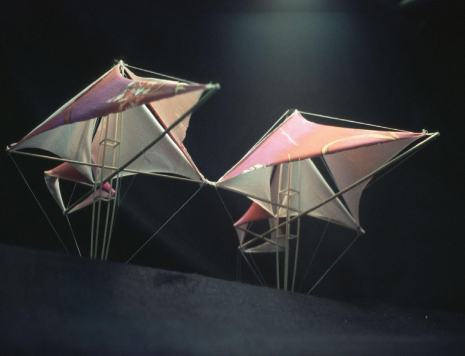
Figure 5: Tensigrity / membrane structures by Jessica Ruben