Support / Infill Studio
OBJECTIVES: All architecture design studios taught by Dr. Howe rigorously conform with National Architectural Accrediting Board (NAAB) Condition 13 Criterion 3 "Graphic Skills", Criterion 5 "Formal Ordering Systems", Criterion 6 "Fundamental Design Skills", Criterion 14 "Accessibility", Criterion 15 "Sustainable Design", Criterion 16 "Program Preparation", Criterion 17 "Site Conditions", Criterion 18 "Structural Systems", Criterion 19 "Environmental Systems", Criterion 20 "Life Safety", Criterion 21 "Building Envelope Systems", Criterion 22 "Building Service Systems", Criterion 23 "Building Systems Integration", and Criterion 24 "Building Materials and Assemblies".
INPUT / CONSTRAINTS:
- A fixed concrete frame in the form of a highrise building is provided (figure 1).
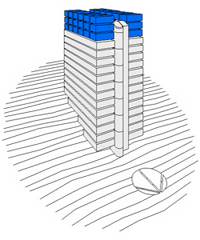
figure 1: highrise structure
- Groups of twelve students form a community on one floor (figure 2).
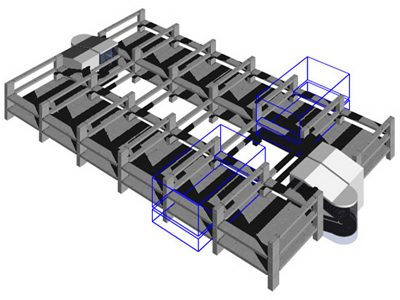
figure 2: one floor
- Twelve program elements that make up the community (such as residential, community center, satellite office, restaurant, grocery store, etc) are given to the group, and they must plan the community. The group must build a physical wood model of the entire floor frame.
- Each of the twelve students choose a slot that has been designated with a program function in the community.
- Constraints include no altering the fixed concrete frame, infill must be contained within a specified envelope (figure 3), minimum / maximum glazing for each facade, etc.
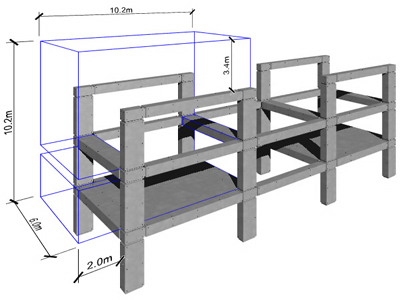
figure 3: envelope
- A solid CAD model of the slot and floor is provided to the students to allow them to fit their projects.
OUTPUT / DELIVERABLES:
- A solid CAD model library of infill elements.
- A solid CAD model of the final structure inserted into the fixed support frame, including plans, sections, elevations, details, perspectives, etc. rendered as appropriate.
- A computer animation or navigable Virtual Reality Modeling Language (VRML) model.
- A physical wood model that fits into the community frame model.
EXAMPLE STUDENT WORK:
Christiane Herr (HKU, MArch thesis, 2002-03, co-tutors Howe, Alex Amato) developed a rule-based system of user-reconfigurable infill elements (see intro document), shown in figure 4. Christiane assisted in setting up a support-infill studio for the second year students at Hong Kong University.
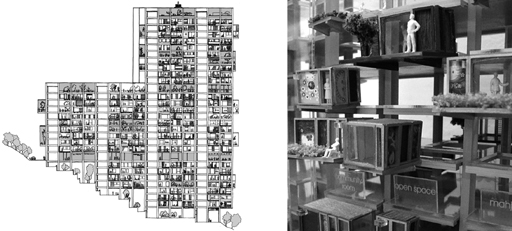
Figure 4: User-reconfigurable infill elements by Christiane Herr
Photographs of community models, where students have built their individual models side-by-side are shown in figure 5 and figure 6. Note how infill must not alter the wood support frame, but can weave in and out of the frame as desired, based on negotiation with neighbors.
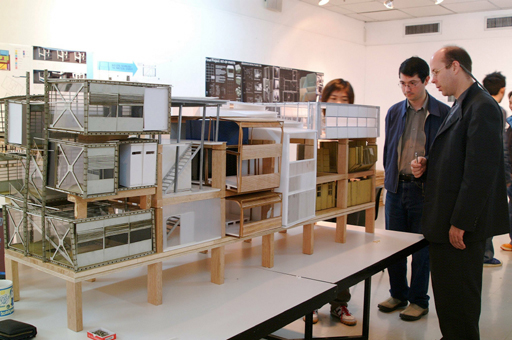
Figure 5: Individual infill models inserted into common support frame
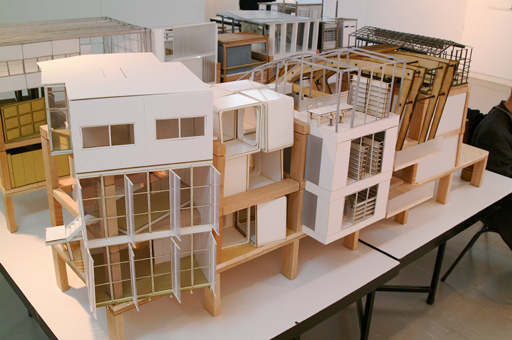
Figure 6: Infill models inserted into common support frame
One example of infill design (shown on the left end of figure 5) was designed by Gee Ki So (HKU, arch2013 2nd year design studio, 2003-04), see figure 7.
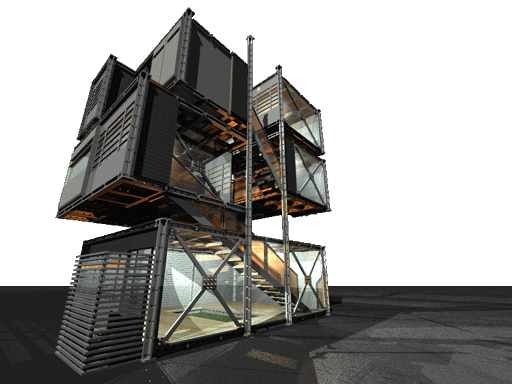
Figure 7: Infill design by 2nd year student Gee Ki So
Along the support / infill paradigm, Dr. Howe has mentored several MArch thesis students who have chosen the topic a theme in their thesis design. Floyd Kwan Kit Li (HKU, MArch thesis, 2005-06, co-tutors Howe, Chris Bene, and Carol Leung) devised a system where older concrete towers in Hong Kong can be gutted out, removing all the non-bearing concrete walls and slabs, and new kit-of-parts infill inserted to give the structure new life. Figure 8 shows an existing concrete tower with new infill parts being inserted.
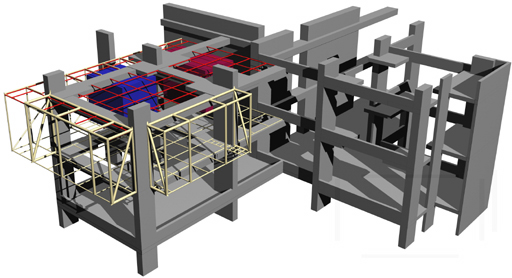
Figure 8: New infill inserted into older concrete tower, by Floyd Kwan Kit Li
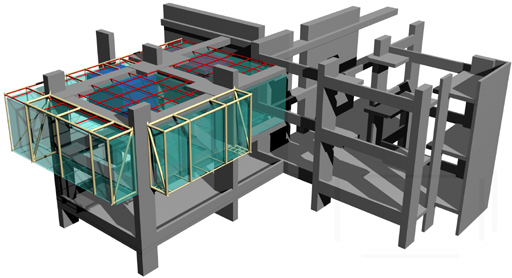
Figure 9: Expanded building envelope in Floyd's concept
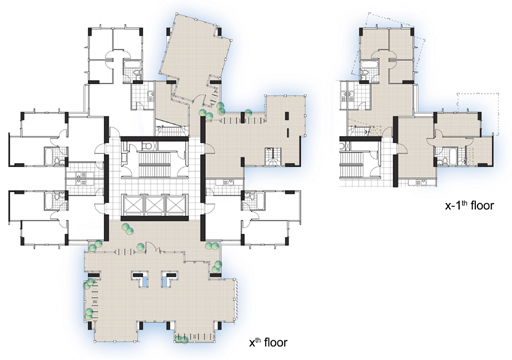
Figure 10: Floyd's concept allows for alternate grids
In Floyd's concept the infill kit-of-parts system can be oriented on axes different from the underlying structure (figure 10), and does not limit the external envelope to the previous boundary of the old structure (figure 9).
Dennis Chan (HKU, MArch thesis, 2001-02) presents another exemplary concept in the support / infill paradigm. Hong Kong has a notorious problem with illegal balconies, where tenants build cantilever structures out from the face of their flats to extend their floor area. The first phase of Chan's design wraps old buildings with new structure, using a parametric kit-of-parts approach to allow tenants to build legal balconies and terraces. In the second phase, higher density living units are constructed over the top of the existing older buildings using the structure from phase 1. Tenants in the older residential units can then be transfered to the new ones above while phase 3 portions of the underlying structure can be demolished and replaced with new strucure (figure 11). The beauty of this system is twofold: 1) the fabric of the community and scale of the streetscape is preserved, and 2) the system never needs to go to the ultimate conclusion of replacing all the older buildings, but can stop anywhere along the way; it embraces the support / infill ideal respecting different lifetimes for the various building subsystems.
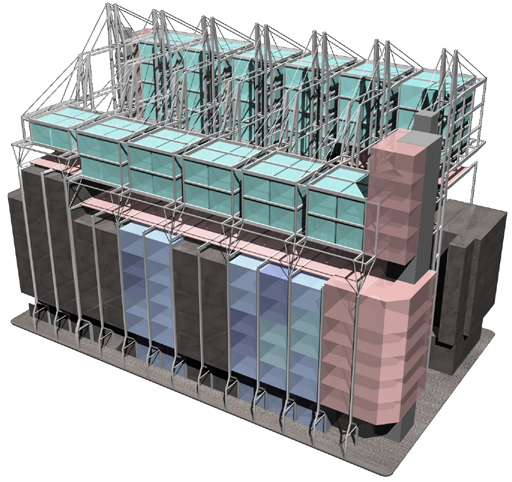
Figure 11: Phased reconstruction by Dennis Chan (gray: existing, green: new high-density, blue: new residential, red: new common areas)